
How We Install a Windshield
Almost every auto glass website says the same three words: fast, affordable, professional. None of them tell you what actually happens to your car.
Here is what happens to yours.
Why the invisible part matters
The windshield is bonded to the body and it is a structural part of the vehicle. In a rollover it stops the roof folding. In a frontal impact the passenger airbag deploys against it, so if the glass lets go, the airbag goes out through the hole instead of catching the passenger.
Every one of those functions depends on the bond, not on the glass. And the bond is the part you cannot inspect after the fact.
A bad install does not look bad on the day. It shows up two months later as a damp headliner, a musty smell, or a warning light when water finds the wiring loom under the dash. By then the shop that did it is a phone number that does not call back.
Step by step
The process
- Before anything is cut.
We check the surrounding paint, the cowl and the pinch weld for existing damage and rust, and we tell you if we find any. Rust under the old glass is common on older vehicles and it changes the job, so you hear about it before we start, not after.
- Covering up.
Seats, dash, centre console and door cards go under covers. The cowl comes off properly rather than being levered around.
- Cutting out.
The old glass is cut out with wire, not with a cold knife dragged along the pinch weld. The old urethane is then cut back to a thin, even bed of a millimetre or two.
It is not scraped to bare metal, and this is where a lot of cheap installs go wrong. Bare metal under a windshield is where corrosion starts, and corrosion under the bond line is what makes the next windshield leak no matter who fits it.
- Priming.
Any spot where paint has been exposed gets primer, and the primer gets its full flash time before anything goes on top of it. This is a wait, and it is the step most often skipped when a shop is running three cars behind.
- The bead.
One continuous pass, correct height and profile for the vehicle. Joins and restarts are where leaks live.
- Setting the glass.
Two people, aligned in one drop. Sliding the glass into position after it touches the bead deforms the bead and creates channels.
- Curing.
We use Sika urethane. You can drive away as soon as the install is done, and the bond reaches full strength within 2 to 3 hours. Go easy on the car until then: no car wash, no door slamming.
- Before we leave.
Water test around the full perimeter. Wipers checked for park position and sweep. Rain sensor, camera and heated elements tested. Mouldings and clips seated. Interior covers off and the work area cleaned.
Watch an Install
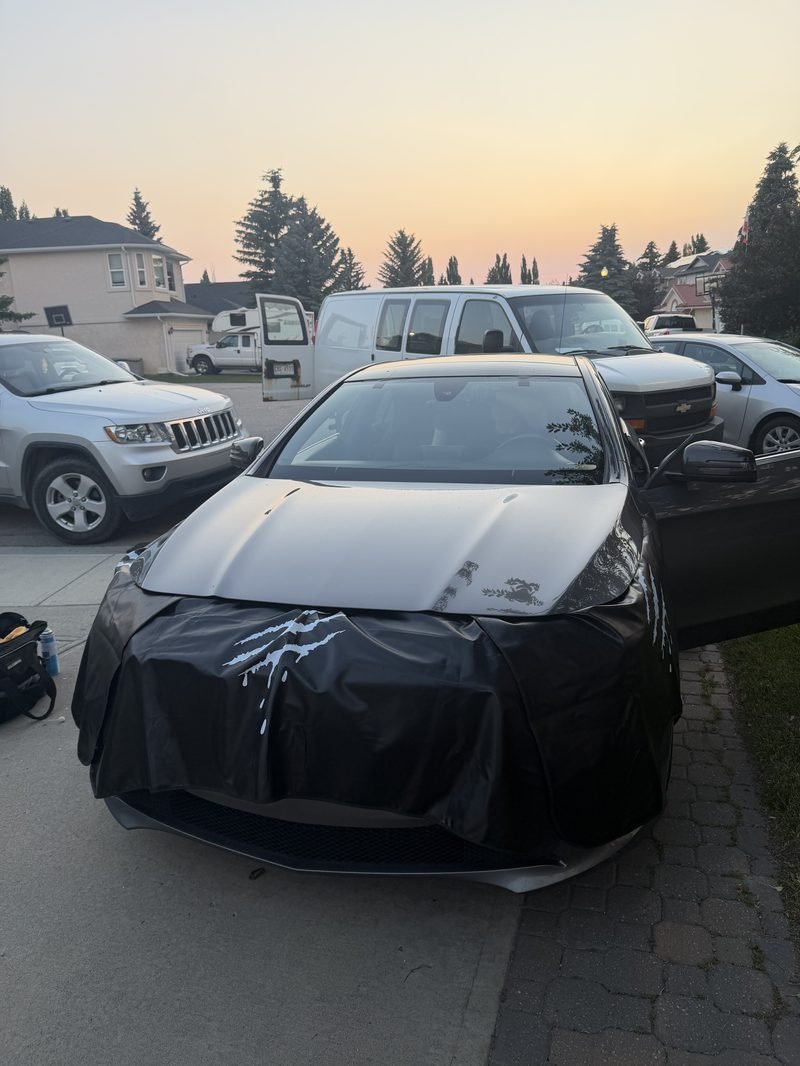
A short clip from a driveway windshield replacement in Calgary.
What the warranty covers
One year on our workmanship. That covers leaks, wind noise, mouldings coming loose, and anything else that traces back to how the glass was fitted. If it comes back to our work, we come back and fix it.
What it does not cover, stated plainly so there is no argument later:
- New impact damage to the glass. A rock is a rock.
- Corrosion that was already under the old windshield. If we find rust during the job we will show you and tell you what it means, but we cannot warrant a bond to a rusted pinch weld.
- Damage from a later repair by someone else touching the same area.
Cars with cameras and sensors
Vehicles from roughly 2018 onward often carry a forward-facing camera on the windshield running lane keeping, automatic emergency braking and adaptive cruise. Moving the glass moves the camera, and the camera then needs recalibration.
We do not do calibration ourselves.
We fit the glass, and we hand you to the shop we use for it, which runs calibrations daily and has the targets and the scan tool the job needs.
We ask for the year and model before booking so this is planned rather than discovered.
Whether your car needs it can only be confirmed once the new glass is in. Handing back a car whose lane keeping is aimed slightly wrong is worse than telling you up front that the job has one more step.
Weather
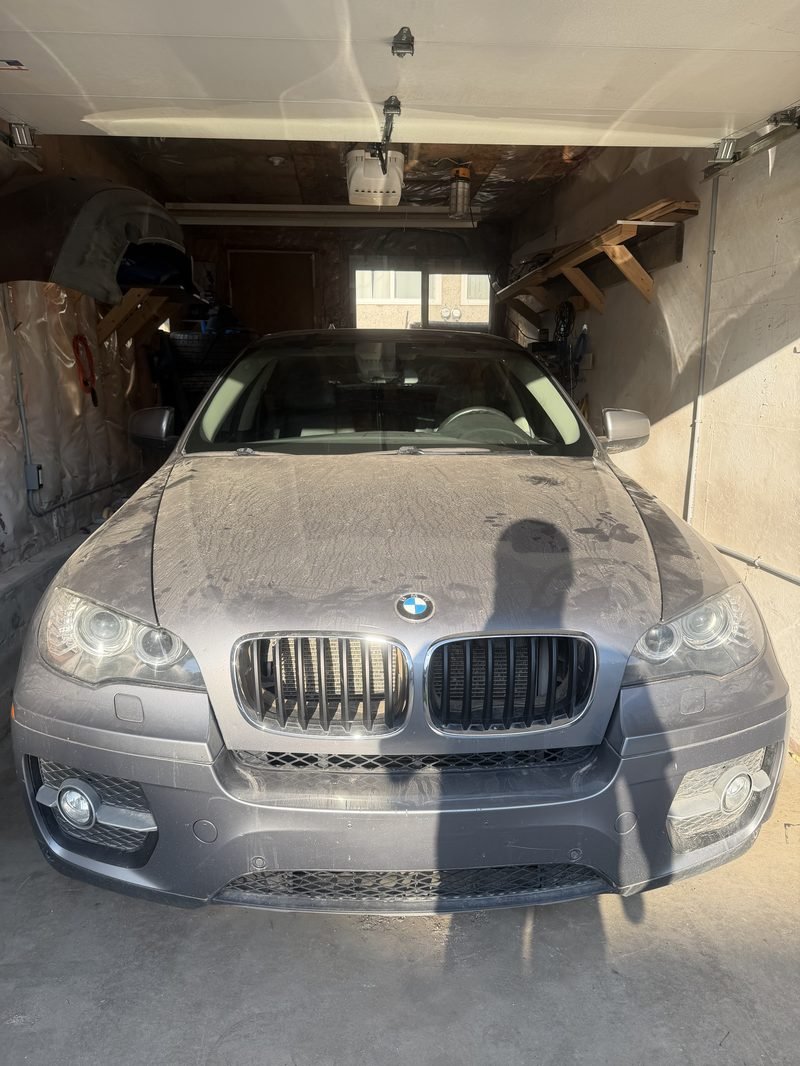
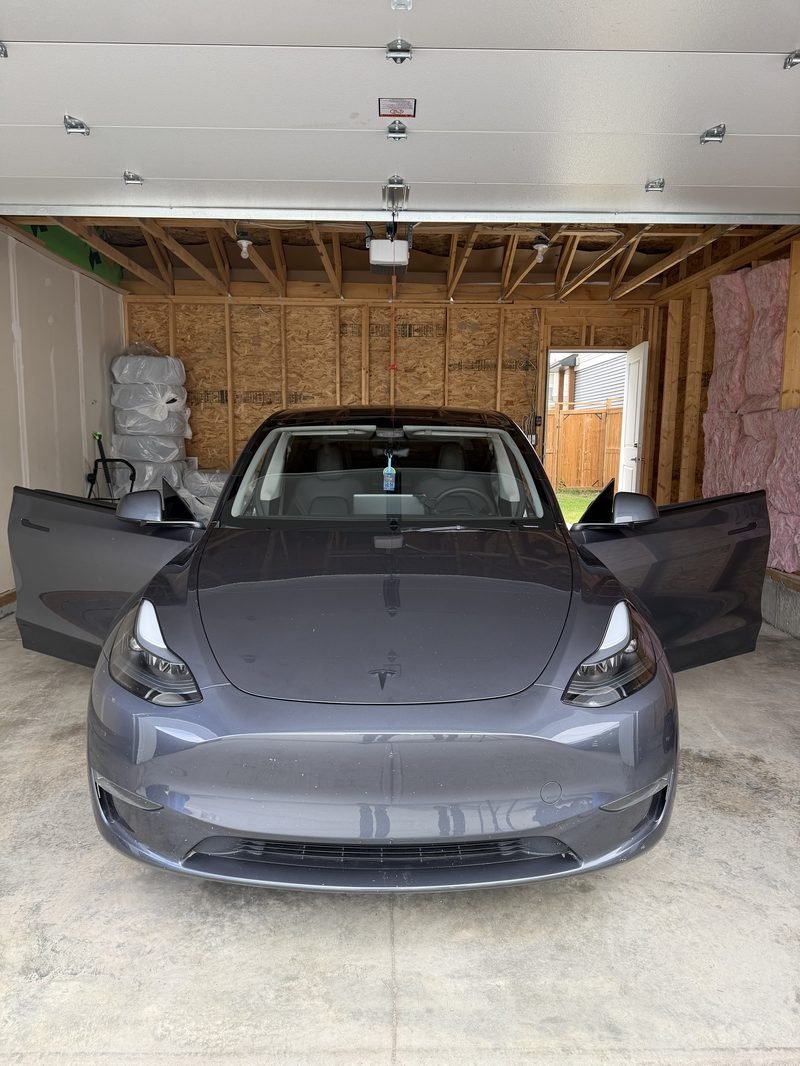
Urethane cures within a temperature range, and Calgary spends a good part of the year outside it. Below about -5 we do not fit glass outdoors at all. Where you have a garage, we work in the garage. Where you do not, we have a space you can bring the car to, or we book around the forecast and the time of day. If the conditions on the day will not give a bond we can warrant for a year, we rebook.
Request a Free Quote
Send the year, make and model with a photo of the damage. A real number comes back the same evening, and we book an evening or weekend slot that suits you.
Mobile Service Area
Calgary, all quadrants, plus Airdrie, Okotoks, Cochrane and Chestermere. Your home, your workplace, or another spot where the car can sit for the install.
Hours
Monday to Friday: 5:00 PM to 10:00 PM
Saturday: 10:00 AM to 8:00 PM
Sunday: 10:00 AM to 6:00 PM
Request a Free Quote
Tell us about your vehicle and the damage. A real number comes back the same evening.